The “Unteachable’s”
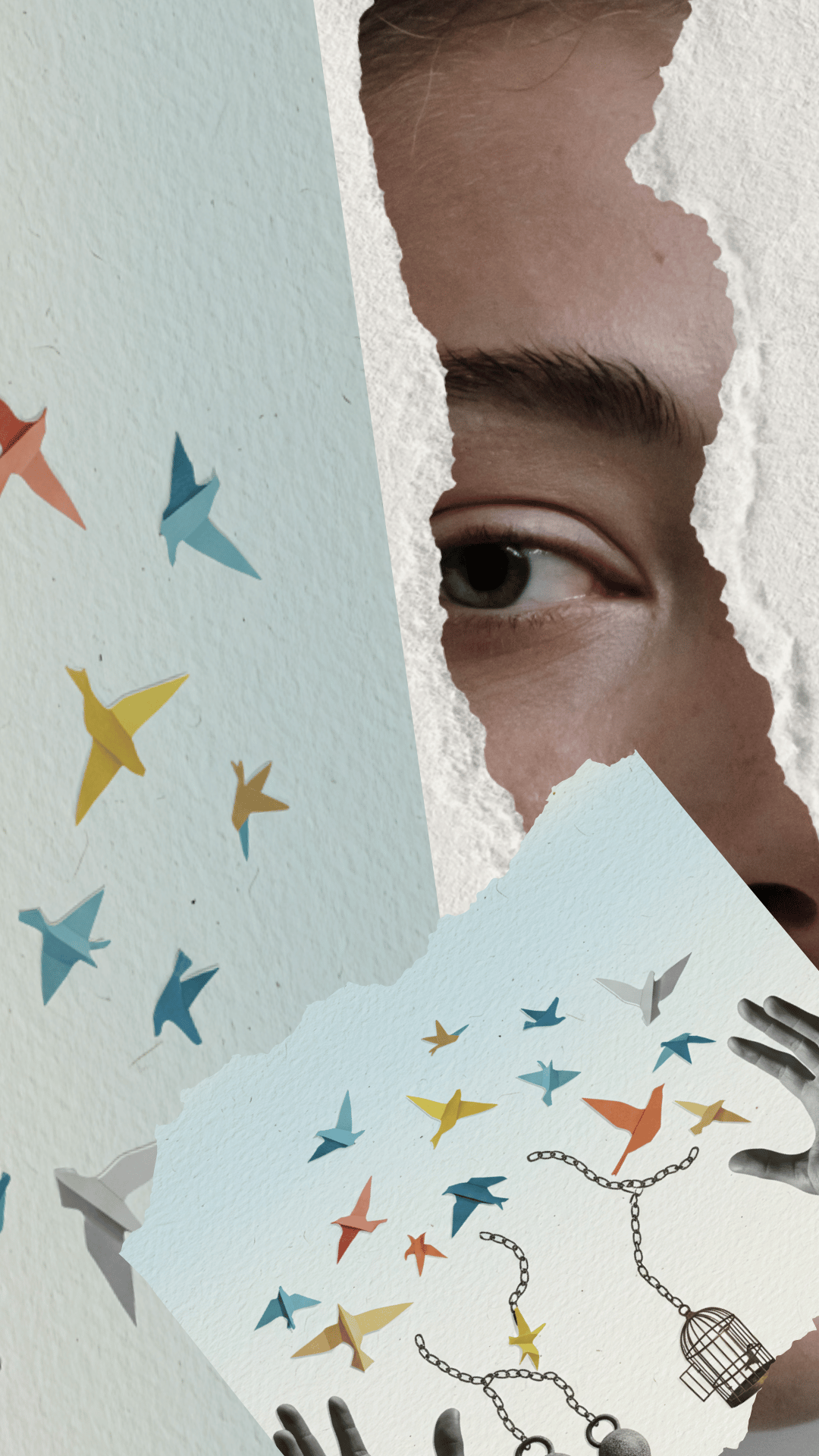
The “Unteachable’s” – Or the Children in Survival Mode
Some children aren’t refusing to learn… they’re simply trying to survive.
We often hear the label “unteachable.”
A child who won’t sit still.
Who won’t listen.
Who pushes back.
Who seems disconnected, distracted, or shut down.
But what if that label is not only wrong… it’s missing the entire picture?
Because children who are labelled “unteachable” are often not lacking ability. They are overwhelmed by what is happening around them and within them.
When Survival Comes Before Learning
A child cannot access learning when their system is in survival mode.
When the brain is scanning for danger, whether that’s emotional, environmental, or relational, it is not thinking about phonics, maths, or writing. It is thinking:
- Am I safe?
- What’s going to happen next?
- How do I protect myself?
What looks like:
- Defiance
- Disengagement
- Disruption
Is often:
- Hypervigilance
- Anxiety
- Emotional overload
A nervous system in distress cannot settle, focus, or process information in the way we expect inside a classroom.
Looking Beyond the Child
To truly understand these children, we have to look beyond behaviour… and beyond the child themselves.
We have to look at the system around them. Because no child exists in isolation.
The Wider Picture
For some children, school is just one part of a much bigger story. That story may include:
- Family stress or instability
- Financial pressure or uncertainty
- Housing challenges
- Exposure to conflict or trauma
- Caregiver mental health struggles
- Addiction within the family system
- Inconsistent routines or lack of structure
- Limited emotional support or connection
These experiences shape how a child shows up in the world. They shape:
- Their ability to regulate
- Their capacity to trust
- Their readiness to learn
What We See vs What’s Really There
In the classroom, we may see:
- A child who “won’t try”
- A child who “doesn’t care”
- A child who is “always in trouble”
But underneath, there may be:
- A child who feels unsafe
- A child who expects things to go wrong
- A child who has learned that staying alert is more important than sitting still
- A child who has not yet experienced consistency, calm, or emotional safety
A System Under Strain
When a child is in survival mode, it is not just a “behaviour issue.” It is a system issue.
Their internal system (nervous system, emotions, beliefs) and their external system (family, environment, relationships) are both under pressure. And without support, that pressure doesn’t disappear when they walk into school. They carry it with them.
Why Traditional Approaches Don’t Always Work
When we respond with:
- Sanctions
- Pressure
- Repeated correction
- Expectations without support
We may unintentionally reinforce the very thing the child is struggling with. Because we are asking for:
- 👉 Regulation… without teaching regulation
- 👉 Focus… without creating safety
- 👉 Engagement… without understanding capacity
A Different Question
Instead of asking: “What’s wrong with this child?” We begin to ask:
- “What has this child experienced?”
- “What might their system be carrying?”
- “What do they need to feel safe enough to learn?”
This shift changes everything.
From Survival to Learning
Before a child can learn, they need:
- A sense of safety
- Consistent, predictable environments
- Emotional connection
- Tools to regulate their nervous system
- Adults who understand what sits beneath behaviour
When these foundations are in place, something powerful happens. The child who was “unteachable” begins to: Settle. Engage. Try. Believe in themselves.
Because No Child Is Unteachable
Some children simply need: More understanding. More consistency. More support. More time. And sometimes…they need adults who can see beyond the behaviour and hold the bigger picture.
The Truth
The real challenge is not that the child cannot learn. It’s that their system has not yet been supported in a way that allows them to.
And That Can Change
With the right understanding, tools, and support:
- Survival can become safety
- Reactivity can become regulation
- Disengagement can become participation
And the child once labelled “unteachable”… becomes a child who finally has the space to learn.